Finding a good groomer can feel overwhelming, especially when you consider your dog as family. Most groomers truly care about the pets they work with, but like any industry, not every experience or groomer will be the right fit.
Knowing what questions to ask and what signs to watch for can make a huge difference in your dog’s comfort and safety.
What Qualifications Should A Good Dog Groomer Have?
One thing many owners are surprised to learn is that not every state requires certifications for dog groomers. Technically, someone can buy grooming tools and start grooming dogs with little to no formal training.
There are plenty of talented groomers who learned through mentorships, online academies, or years of hands-on experience. But personally, I do think proper dog groomer training matters.
Working with a real dog on a grooming table is very different than watching a tutorial online. Dogs move suddenly, panic or jump unexpectedly, and sometimes react aggressively out of fear. Without experience handling live dogs safely, accidents can happen quickly.
I believe a professional dog groomer should continue learning throughout their career, not just about haircuts but about dog behavior, handling skills, health concerns, and grooming safety as well.
Fear Free And Cooperative Care Certifications
Fear Free and Cooperative Care programs have become more popular in recent years, and honestly, I think that’s a good thing, but it is also not very easy to accomplish to a certain extent.
A fear-free groomer focuses heavily on reducing stress and helping dogs feel more confident during grooming. That includes:
reading body language
slowing things down when needed
using positive reinforcement
taking breaks appropriately
avoiding unnecessary force
💡 Tip:
I’d take a groomer who communicates well and handles dogs safely over basing reliability on a stack of certificates. Certificates are valuable to an extent because they can show that the groomer values continuing education and safe dog grooming practices.
Fear Free grooming requires cooperation not only from the groomer and dog, but also from the owner.
Typically, when first starting Fear Free training with a dog, it requires a groomer to work with them weekly to be the most successful. Many owners won’t commit to that schedule, which can make it hard to accomplish the full benefits of Fear Free. When practices are put in place, and everyone involved cooperates, it can be a really amazing experience.
What Are The Red Flags Of A Bad Dog Groomer?
Sometimes the warning signs are obvious, while other times, they’re much more subtle.
One thing that immediately makes me question a groomer is when they advertise extremely low prices while grooming out of a home setup with no actual business affiliation or reputation behind them.
Everyone loves saving money, but grooming is one of those services where corners (and your dog) can sometimes get cut when pricing seems too good to be true. Meaning, the training behind the groomer, the quality of tools/products they use and the time they take to genuinely work with a dog.
Another red flag is groomers constantly badmouthing other groomers. The grooming industry is growing, and while not every groomer will agree on everything, professionalism and having each other's back is crucial especially in the days of social media.
I’d be cautious of groomers who:
refuse to discuss your dog’s behavior honestly
rush through appointments or dismiss stress signals
cannot show examples of previous work
are inexperienced and not working under supervision
seem impatient with nervous, senior, or reactive dogs
promise a perfect groom even when the dog is scared, matted, or unsafe to handle
A trustworthy groomer should make you feel comfortable asking questions. They should also be honest about your dog’s behavior, coat condition, and health concerns without making you feel judged.
Warning Signs Before You Even Book
Before choosing a dog grooming salon, pay attention to how communication feels from the beginning.
A good dog groomer will usually ask questions about:
your dog’s age
health history
behavior during grooming
previous grooming experience
bite history or fears
coat condition (matted or not)
If someone is willing to take any dog with zero questions asked, that can sometimes be a concern.
Reviews and word of mouth are also incredibly helpful. Some of the best groomers stay booked through recommendations alone.
That said, not every groomer is the right fit for every dog. Some dogs thrive in busy salons with lots of activity and attention. Others completely shut down in loud environments and do much better in quieter one-on-one settings. Dogs feed off energy and environments more than people realize.
What To Watch For After The Appointment
Dog behavior after grooming can be helpful in determining what groomer is a good fit.
Some dogs are naturally tired after appointments, especially puppies or anxious dogs. Grooming requires a lot of mental stimulation and handling, so being sleepy afterward isn’t unusual.
There’s a difference between normal exhaustion and a dog’s behavior changing after grooming.
Things that may indicate a negative experience include:
extreme fear returning to the salon (actual fear, not nervousness)
sudden aggressive outbursts
shaking excessively
hiding
unusual sensitivity to touch
panic during brushing or bathing
These signs are not a 100% indicator of the groomer doing something wrong or was intentionally harmful. Sometimes it comes from inexperience, rushing, or simply not understanding the dog’s limits. Owners know their dogs, and what behaviors are normal.
Dog grooming trauma is very real, and rebuilding trust of the process can take time with the help of the right groomer. If you are concerned about your dog’s behavior post grooming, call your grooming (unaccusingly) and discuss your concerns. Trustworthy groomers will be honest about any incidents or behavior at pickup.
How Should A Good Groomer Handle A Scared Dog?
Patience matters more than perfection. Going slow, and remembering that dogs don’t necessarily like or understand what is going on.
Some dogs arrive confident and easygoing. Others are fearful, reactive, or completely unfamiliar with grooming. A good groomer understands the difference between a dog being stubborn and a dog genuinely overwhelmed.
Not every dog should be pushed through a full groom, and that is on the groomer to call it when the dog is overwhelmed and unable to be groomed safely.
A trustworthy groomer knows when:
the dog or groomer needs a break
the session needs to slow down
safety is becoming compromised
Although it can feel defeating, sometimes it’s the safest and most responsible choice.
There are situations where mild sedation (usually trazodone or gabapentin) prescribed by a veterinarian may help extremely anxious dogs to get through grooming safely. There’s nothing wrong with that when it’s done appropriately and paired with training and desensitization.
Reading Dog Body Language During Grooming
Understanding dog behavior is one of the most important parts of pet grooming safety.
Dogs usually communicate discomfort before escalating to aggression. Some common stress signals include:
whale eye
tucked tail
stiff posture
tightly closed mouth
lip licking
growling
frantic/dodging movements
Unfortunately, many incidents during grooming happen because these early signals get ignored or pushed through.
Groomers should pay attention to those changes constantly. Dog behavior knowledge is critical to have, it can help determine the dog’s next move and how it is feeling about the situation.
🌟 From Experience:
Dogs can have off days just like people do. Sudden changes in a dog's reaction during grooming — especially in dogs who were previously calm — can sometimes be early signs of a medical issue. When something feels off, it's always worth flagging with the owner right away. Sometimes behavior changes are communication.
One dog I worked with became unusually defensive during grooming. I stopped the session and told the owner I felt something wasn’t right, because he wasn’t himself. The next day, the owner called to say the dog had developed a serious medical issue (a rupturing tumor in his liver) that required immediate veterinary care.
Sometimes behavior changes are communication.
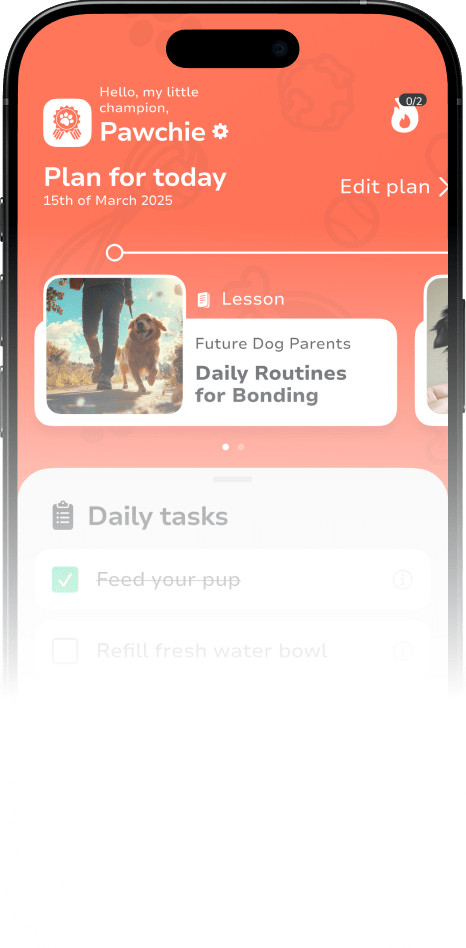
If your dog struggles with handling at home, that’s useful information before the grooming appointment. PawChamp can help you practice calm handling in small steps, so your dog gets more comfortable with paws, ears, brushing, and tool-like touch before they are expected to tolerate a full groom.
What Questions Should I Ask Before Choosing A Groomer?
Owners should absolutely ask questions before handing over their dog. Groomers understand that we are working with your babies, and that you want the best care for them.
Some helpful questions include:
What training or experience do you have?
How do you handle nervous dogs?
What happens if my dog becomes stressed?
Do you allow breaks during grooming?
Can you and I discuss my dog’s behavior concerns openly?
What is your process for introducing puppies to grooming?
What should I be doing at home for maintenance between grooms?
The goal isn’t to interrogate the groomer. It’s to make sure everyone is on the same page and that your dog’s overall well being is top priority.
What A Trustworthy Groomer's Answers Look Like
A trustworthy professional dog groomer will answer questions calmly, honestly and realistically.
Groomers should talk honestly about:
dog and human safety
realistic expectations
behavior management in the salon and at home
open communication with owners
One thing I always tell owners is that under-promising and over-delivering is better than guaranteeing something unsafe or unrealistic.
If a groomer can openly discuss concerns without becoming defensive, that’s a very good sign. Please never approach a groomer in an accusatory manner unless you have solid proof something happened. Express concerns, and be open to feedback.
How Do I Know If My Dog Had A Bad Experience?
This is probably one of the hardest questions to answer because not every dog reacts the same way.
Some dogs simply dislike grooming in general. Most dogs would rather jump willingly into a lake than stand still for a bath and blow dryer. That alone doesn’t mean the groomer has ever done something wrong to your dog.
If your dog suddenly develops extreme fear, panic, aggression, or unusual behavioral changes specifically surrounding grooming, it’s worth paying attention to and discussing with the groomer. Building trust between dogs, owners, and groomers takes time. When that trust gets damaged through fear or negative experiences, the effects can linger for a while.
The good news is that many dogs can absolutely improve with patience, consistency, and positive experiences moving forward with solid teamwork.
How PawChamp App Helps With Grooming Training?
Grooming stress often starts long before the salon. If your dog panics when you touch their paws, avoids the brush, freezes around clippers, or struggles with restraint, those are training signals you can work on at home.
PawChamp helps owners build grooming tolerance through small, repeatable steps inside the app. You can follow structured guidance for calm handling, cooperative-care basics, and body-language awareness, so grooming does not rely on forcing your dog through every step.
In the app, you can work on:
paw, ear, face, and body handling
calmer brushing and grooming preparation
confidence around routine care
recognizing stress signals before they escalate
asking a dog expert when you’re unsure what your dog’s reaction means
PawChamp does not replace a professional groomer, veterinarian, or behavior specialist for dogs with severe fear, pain, or bite risk. But it can help you build the foundation that makes grooming safer and less stressful over time.
Bottom Line
Choosing a groomer is about more than finding someone who gives a cute haircut. A trustworthy groomer values safety, communication, patience, and your dog’s emotional and physical well-being as much as the final look. The best grooming relationships are built on honest expectations, owner-groomer teamwork, and respect for what each individual dog can handle.